

From government-developed technology to industry-led scale—India’s conventional missile ecosystem is entering a new era of competition, capacity and capital.
Defence Minister Rajnath Singh has approved the transfer of DRDO-developed technologies for all conventional missile systems to Indian defence companies for domestic production.
Production will remain subject to qualification, certification and regulatory approvals.
What Is on the Table:
The opportunity could cover systems such as
🚀Astra,
🚀Astra Mk-2,
🚀Akash
🚀Akash-NG,
🚀VSHORADS,
🚀Rudram, Nag,
🚀SANT,
🚀man-portable anti-tank missiles,
🚀 NASM-SR and Pralay.
However Strategic missile programmes such as Agni and K-series systems, along with foreign-partner programmes such as BrahMos and MRSAM, remain governed separately.
The Rupee Multiplier:
The wider demand pipeline indicates the potential scale. The proposed Anant Shastra air-defence acquisition is estimated at approximately ₹30,000 crore, nearly 1,000 Akash-NG missiles are reportedly under consideration, and around 370 Pralay missiles have already been contracted. These figures represent potential procurement and production opportunities—not the value of the DRDO technology transfer itself.
Who Benefits First?
Likely contenders include
🥁Adani Defence & Aerospace,
🥁ICOMM Tele,
🥁Bharat Forge,
🥁Tata, Mahindra and
🥁Solar Defence & Aerospace.
Adani Defence has already announced a ₹2,500-crore missile complex in Madhya Pradesh, while private firms are expected to compete with Bharat Dynamics Limited for development-cum-production and systems-integration roles.
International Defense experts predicted If this approval implemented transparently, the policy can expand production capacity, reduce import dependence for India and also create export-ready platforms and give the armed forces faster access to indigenous precision weapons—turning DRDO innovation into a scalable industrial ecosystem.
Critics over the sudden policy change want clear tender criteria, independent audits, quality-control standards, liability provisions and safeguards against cost overruns or politically favoured awards—because technology transfer alone does not guarantee faster or cheaper production.
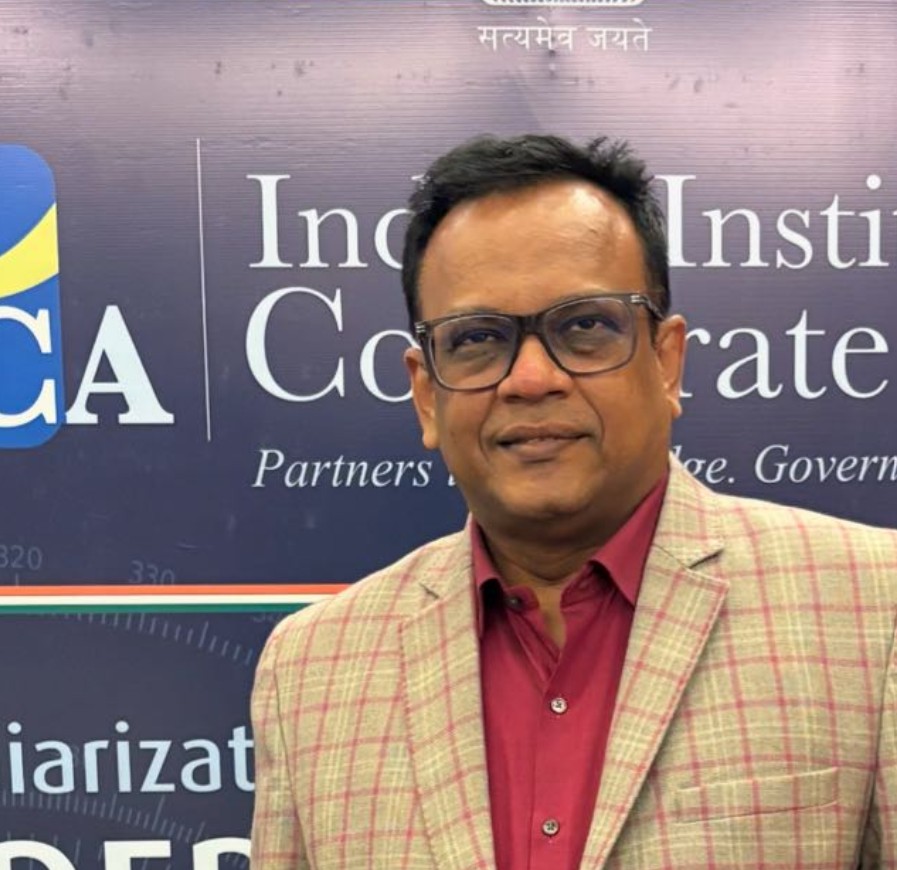
Author Sa. Venkat Ramanujan is a Certified Environment Social Framework Specialist of Word Bank Group and also Certified Independent Director of IICA, Ministry of Corporate affairs , Govt of India .,
He is Member of Institute of Directors & All India Management Academy ( AIMA ) .,
He is Founder & CEO of Trust Infosys Incorporation – Govt. of India accredited startup venture ., A distinction holder in his Post graduate MBA studies and a sustained learner for three decades in the domains of engineering & infrastructure projects , international trade & contracts , data & cloud management , environmental, social & corporate governance.,
Environmentalist ., Voracious reader., interested in cats and dogs ., love Gardening ., reuse & recycler of natural resources .,
for more details check in >> venkatramanujam.in