

🔍 Percentage Analysis
1. Forbes measures net worth (assets minus liabilities). and its report in 2026 says just 229 Indian billionaires control over $1 trillion in wealth.
2. ITR data measures gross total income—what you actually earn in a year and the Parliament report says in 2026 only 576 people in India declared income above ₹100 crore.
3.According to Association for Democratic Reforms (ADR) report the Rajya Sabha has 31 billionaires (by net worth) among its ~245 members, that’s ~14% of the Upper House or in other words 1 in every 7 Rajya Sabha MPs is a billionaire and in the general population, it’s 1 in ~6 million.
⚠️ Catch Point :
The Ministry of Finance itself admits there’s “no statutory definition of billionaire” under the Income-tax Act. This creates a regulatory blind spot—we track income, not wealth, and that’s where the story diverges.
✅ What This Should Prompt
· A conversation on wealth taxation—not income, but net worth ..
· Transparency in parliamentary disclosures—asset declarations are public, but are they audited..
· Better data integration—linking ITR data with wealth registries could provide a truer picture..
· Policy scrutiny—when 14% of lawmakers are billionaires, how does that shape fiscal policy, tax exemptions, or business regulations..
. The concentration of wealth in governance is not a bug—it’s a feature of the system. Whether it’s a feature worth reforming is the question that matters.
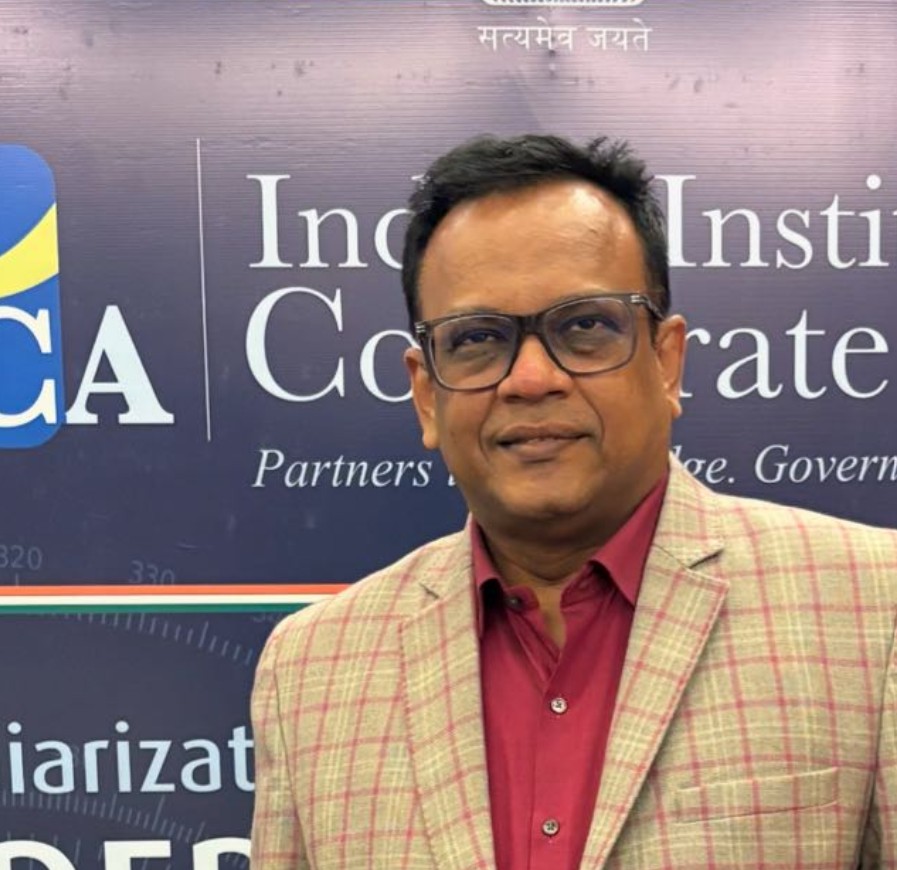
Author Sa. Venkat Ramanujan is a Certified Environment Social Framework Specialist of Word Bank Group and also Certified Independent Director of IICA, Ministry of Corporate affairs , Govt of India.
He is Member of Institute of Directors & All India Management Academy ( AIMA ),
He is Founder & CEO of Trust Infosys Incorporation – Govt. of India accredited startup venture, A distinction holder in his Post graduate MBA studies and a sustained learner for three decades in the domains of engineering & infrastructure projects , international trade & contracts , data & cloud management , environmental, social & corporate governance.,
Environmentalist, Voracious Reader, Interested in Cats and Dogs, Love Gardening, Reuse & Recycler of Natural Resources,
for more details check in >> venkatramanujam.in